No allergen labels
China does not label allergens the way the EU or the United States does. A menu, a sauce bottle, and a packaged snack will often say nothing about peanut, sesame, soy, shellfish, egg, milk, or gluten. “May contain” is not a phrase you can count on.
Those ingredients are everywhere, and they hide. Sesame oil, peanut, dried shrimp, and oyster sauce sit in dishes that look plain. Woks are not washed between orders. A promise from a busy kitchen is a best effort, not a guarantee.
If a reaction would be dangerous, carry a written card in Chinese that names the ingredient and the severity, pack your own medication, and still treat a “no” as uncertain. Vegetarian does not mean allergen-free. A hotel restaurant is not automatically safer than a noodle shop. The checkout screen of a translation app is not a lab test.
Say the ingredient, not just the word allergy
- 我对花生过敏 — I am allergic to peanuts.
- 我对芝麻过敏 — I am allergic to sesame.
- 我对海鲜过敏 — I am allergic to seafood.
- 我不吃花生、芝麻、虾和酱油里的小麦 — name the actual things, including wheat in soy sauce, if that is the issue.
- 这个菜里有没有? — Is it in this dish? Then watch the cook, because the answer and the wok are not the same document.
Order for the table
At a typical restaurant, dishes arrive when they are ready and everyone eats from the center. Two people can share two or three dishes and a staple, rice in the south and noodles or breads in the north. A larger table orders more vegetables than newcomers expect, plus one main thing to talk about.
Photos on the menu are common, and pointing is normal. If there is no English, a translation app’s camera is enough for the dish names. Ask for the house style if you are unsure. Busy rooms with a short menu are a better sign than a laminated book of two hundred photographs.
Street breakfast is half the culture. Jianbing on a Beijing morning, rice noodles in Guilin, dim sum before noon in Guangzhou. Eat where a line of locals is already standing.
A plate from each city
Beijing
Peking duck carved at the table, wheat noodles with fermented soybean sauce, and a crisp jianbing if you are out before the offices fill.
Shanghai
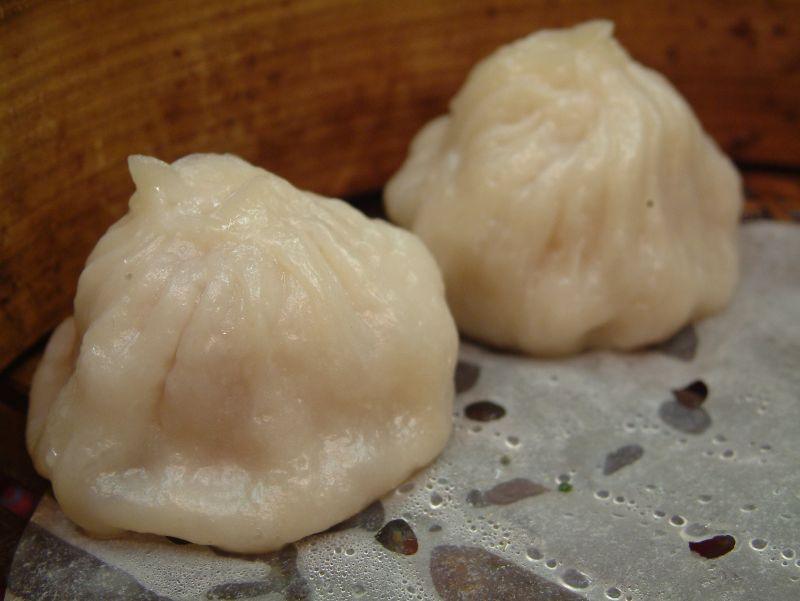
Soup dumplings, pan-fried shengjian, and scallion oil noodles. The local palate runs sweeter and softer than the inland west.
Xi'an
Cumin lamb, roujiamo — a spiced pork or beef bun — and wide biangbiang noodles. The Muslim Quarter is the night market, not the only place to eat.
Chengdu
Hotpot, mapo tofu, and dan dan noodles. Mala is chili heat plus the numbing of Sichuan pepper. Ask for mild if that is new to you.
Guilin
Rice noodles in a clear or pickled broth for breakfast, and beer fish in Yangshuo. The landscape towns cook river fish simply, with tomato, chili, or beer.
Guangzhou
Dim sum is a morning or lunch habit, not a dinner show. Roast goose, white-cut chicken, and claypot rice are the other reasons to come.
Phrases that change the meal
- 不要辣 — no chili. Useful, and not always fully honored in Sichuan.
- 微辣 — a little heat. The honest order for most visitors in Chongqing or Chengdu.
- 我不吃肉 — I don’t eat meat. Then name the thing itself. A ‘vegetable’ dish can still be cooked in meat stock.
- 清真 — halal. Easy to find in Xi’an and in many city neighborhoods, marked on the restaurant front.
- 打包 — pack the rest. Taking leftovers home is normal.
Drinks, banquets, and the bill
Tea is poured for other people at the table. Tap the table lightly with two fingers if someone refills you. Baijiu, a strong clear spirit, appears at banquets and toasts. A visitor can often refuse with a smile and tea or beer. You do not have to empty a glass to be polite.
Tipping is not the custom in ordinary restaurants and can confuse the staff. A service charge sometimes appears at high-end hotels. Pay the figure on the bill. In cities, that bill is usually settled by phone. See Payments for how visitors actually do that.
Tap water is for washing, not drinking. Restaurants serve boiled water or tea. Bottled water is cheap. Fruit you can peel is the easy choice from a street stall.